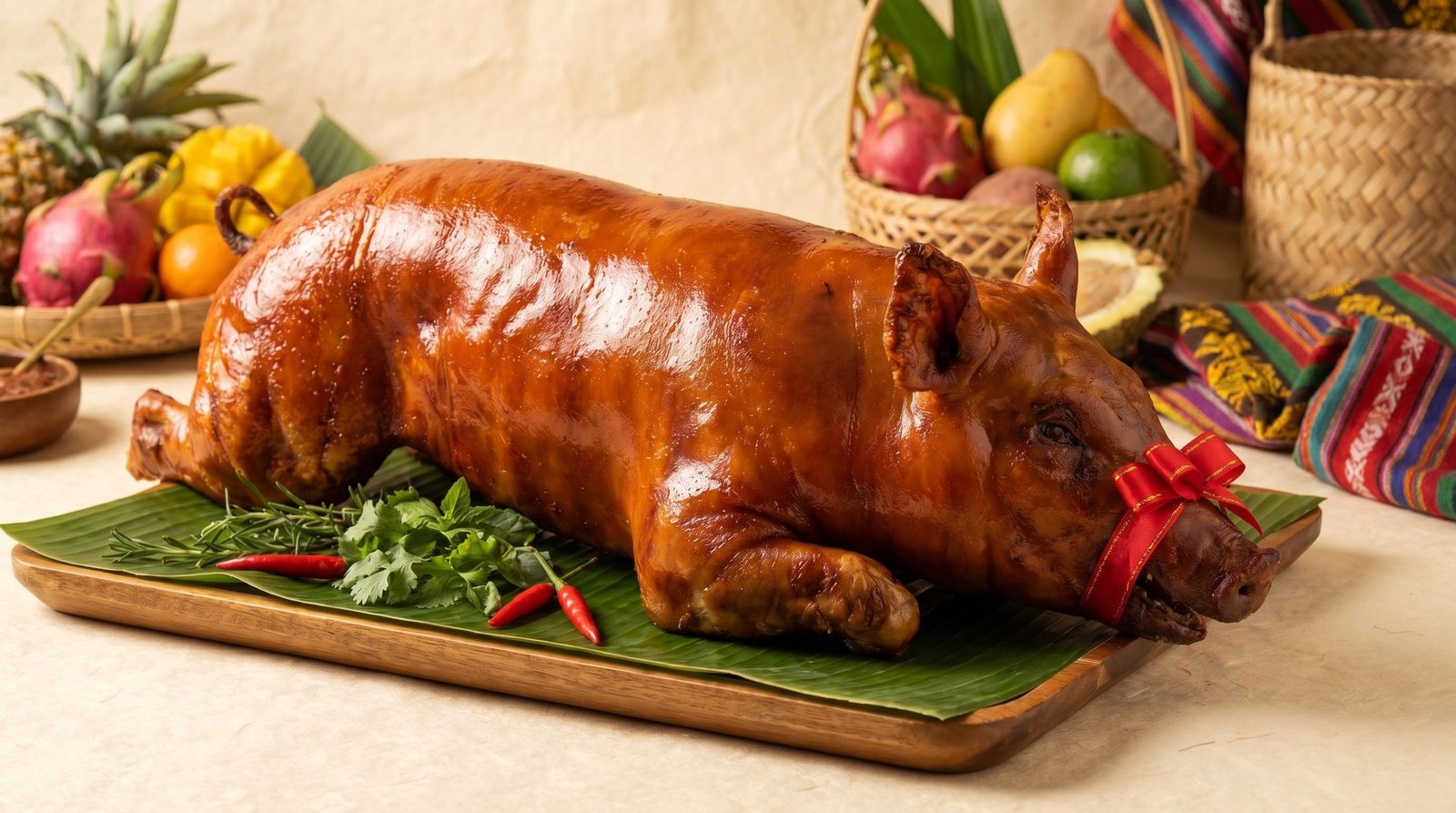
Noche Buena — the Christmas Eve feast — is the busiest night of the year for lechon. Demand is high and roasters book out, so a little planning makes the difference between a glorious table and a last-minute scramble.
Order early — really early
December is peak season. Good roasters fill their Christmas and New Year slots well ahead, so the earlier the better — a few weeks out at the very least, and many families lock in their roaster a month or two in advance. Confirm your exact date and get the delivery window in writing; the closer to the 24th, the tighter availability gets.
Budget a little more, too. Prices usually climb in December — pork prices rise across the holiday season and peak-date demand pushes whole-lechon rates up — so the same size can cost more than it would mid-year.
Size it for the night
Noche Buena tables groan with food — ham, queso de bola, pasta, rice cakes — so lechon is usually one of several stars, not the only one. Plan toward the lighter end (around 250–350g a head) unless your family treats lechon as the main event. Run your numbers through the size calculator, and remember leftovers carry you straight through to Christmas lunch.
Keep it crisp till midnight
If it arrives in the afternoon for a midnight feast, keep it whole and loosely tented somewhere warm — not sealed, not cold. Re-crisp the skin just before serving in a hot oven or air fryer. Full method in keeping lechon crispy.
The Noche Buena spread
- Lechon — the centerpiece.
- Hamón and queso de bola — the Christmas classics.
- Pancit and rice to carry it.
- Atchara or a sharp salad to cut the richness — see what to serve with lechon.
- Bibingka / puto bumbong to finish.
Plan the leftovers
Christmas Day lunch is basically a leftover-lechon festival. Have a plan — paksiw, sisig, fried rice, or sopas — and you've turned one order into two feasts.
The #1 Noche Buena mistake is ordering late. Lock in your roaster and size as early as you can in December — availability, not budget, is usually the real constraint.